Regenerative agriculture is a way of farming that restores and builds the health of the land rather than depleting it. Where conventional farming often treats soil as a lifeless medium to be fed with synthetic chemicals — squeezing out yields until the ground is exhausted — regenerative farming treats soil as a living, breathing ecosystem. The goal is simple: healthier soil, cleaner water, more biodiversity, and more nutritious food, season after season.
Think of it as the difference between spending down a savings account and steadily adding to it. Conventional methods withdraw from the land. Regenerative methods make deposits.
Living soil is full of microbes, fungi, earthworms, and insects that plants depend on — and regenerative practices are all about protecting and feeding that hidden world. A few of the core ideas:
The payoff is a farm that grows stronger every year — richer soil, more pollinators, cleaner water, and produce that's as nourishing as it is delicious.
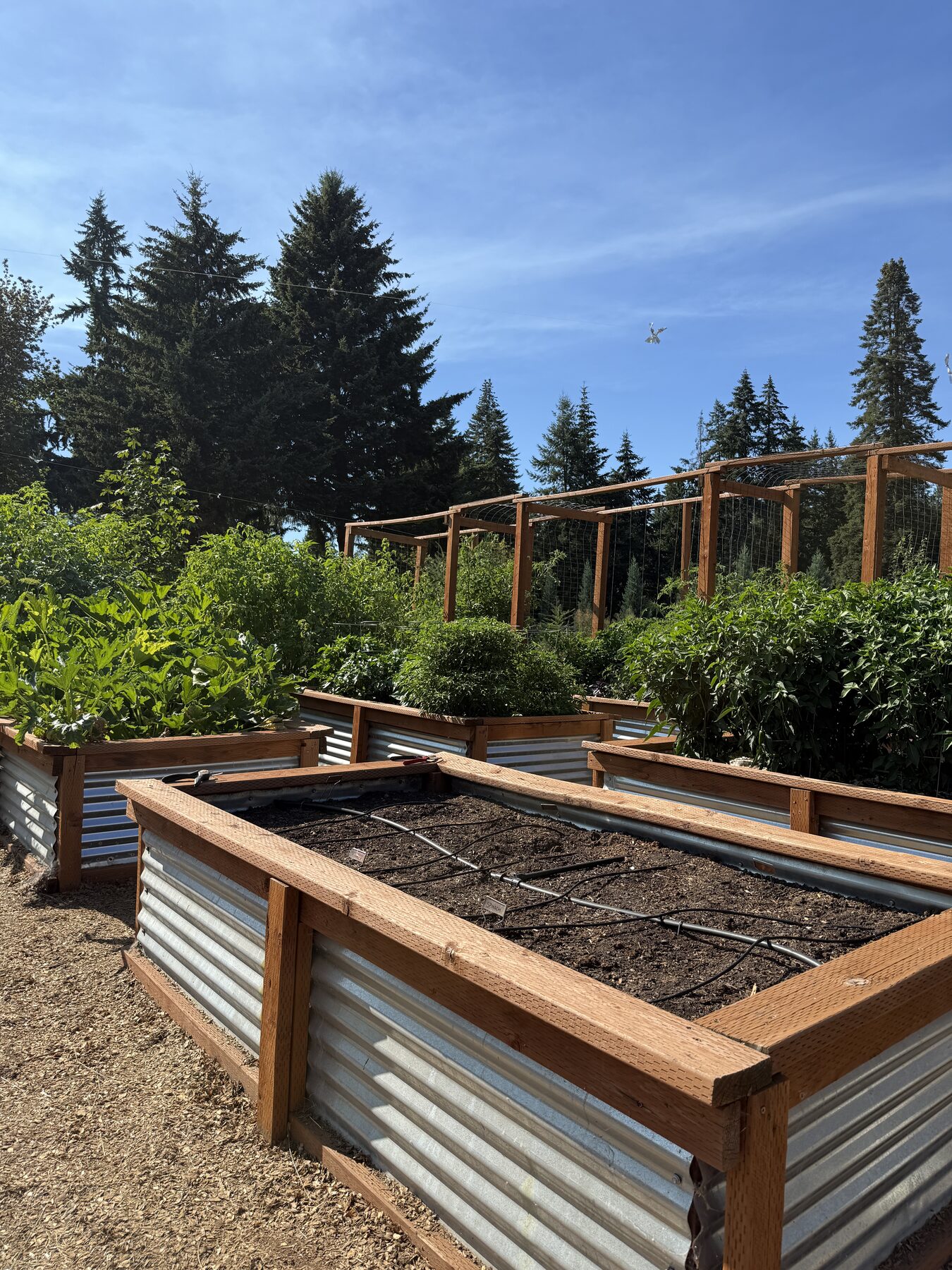
Everything above isn't theory for us — it's our daily routine. Our chickens maintain the compost that feeds our nine raised beds. We companion plant to keep pests away naturally, fill our property with pollinator-friendly plants, pull weeds by hand instead of spraying them, and return every scrap to the soil. You can read more about our day-to-day practices on our About Us page.
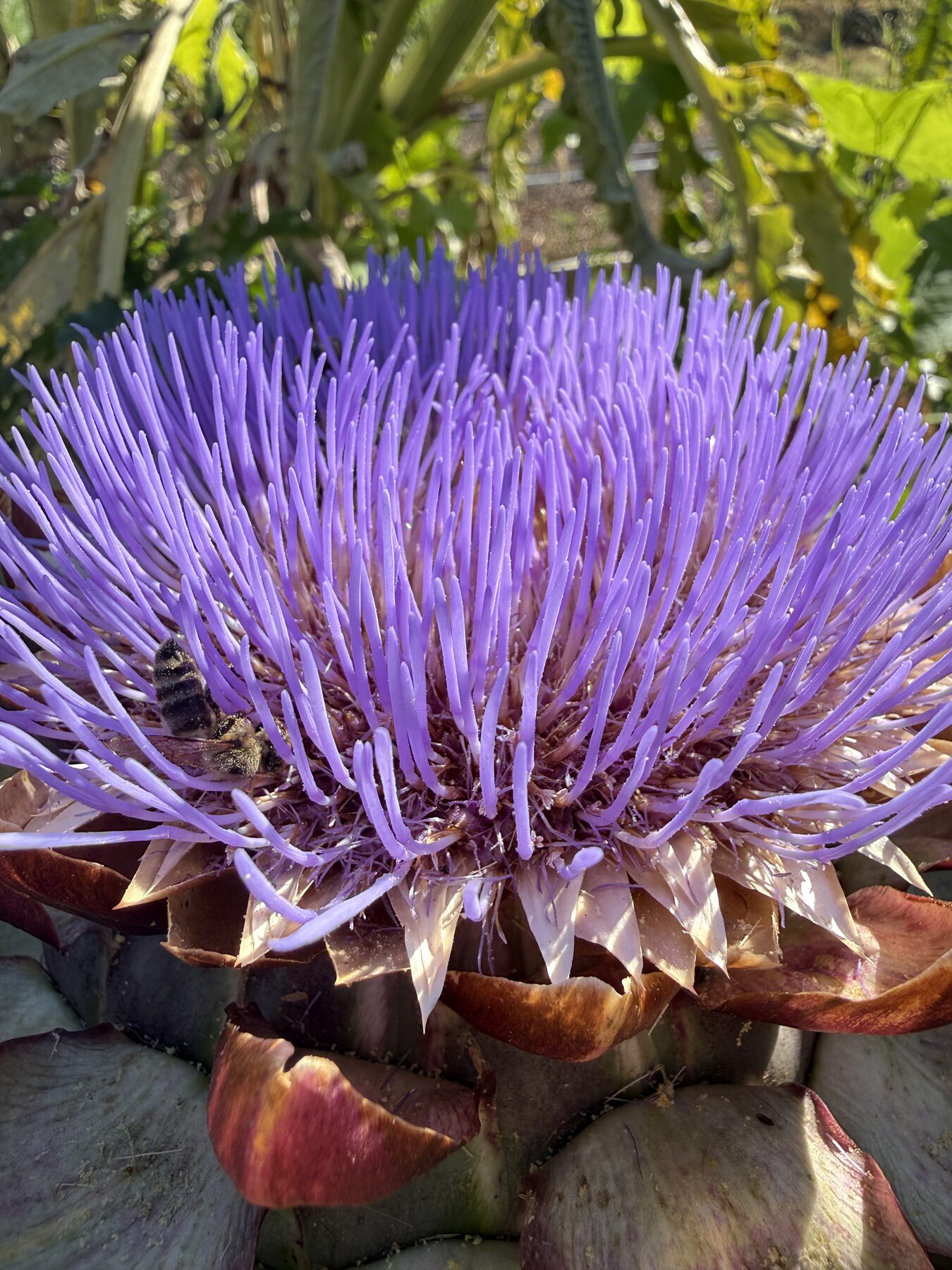
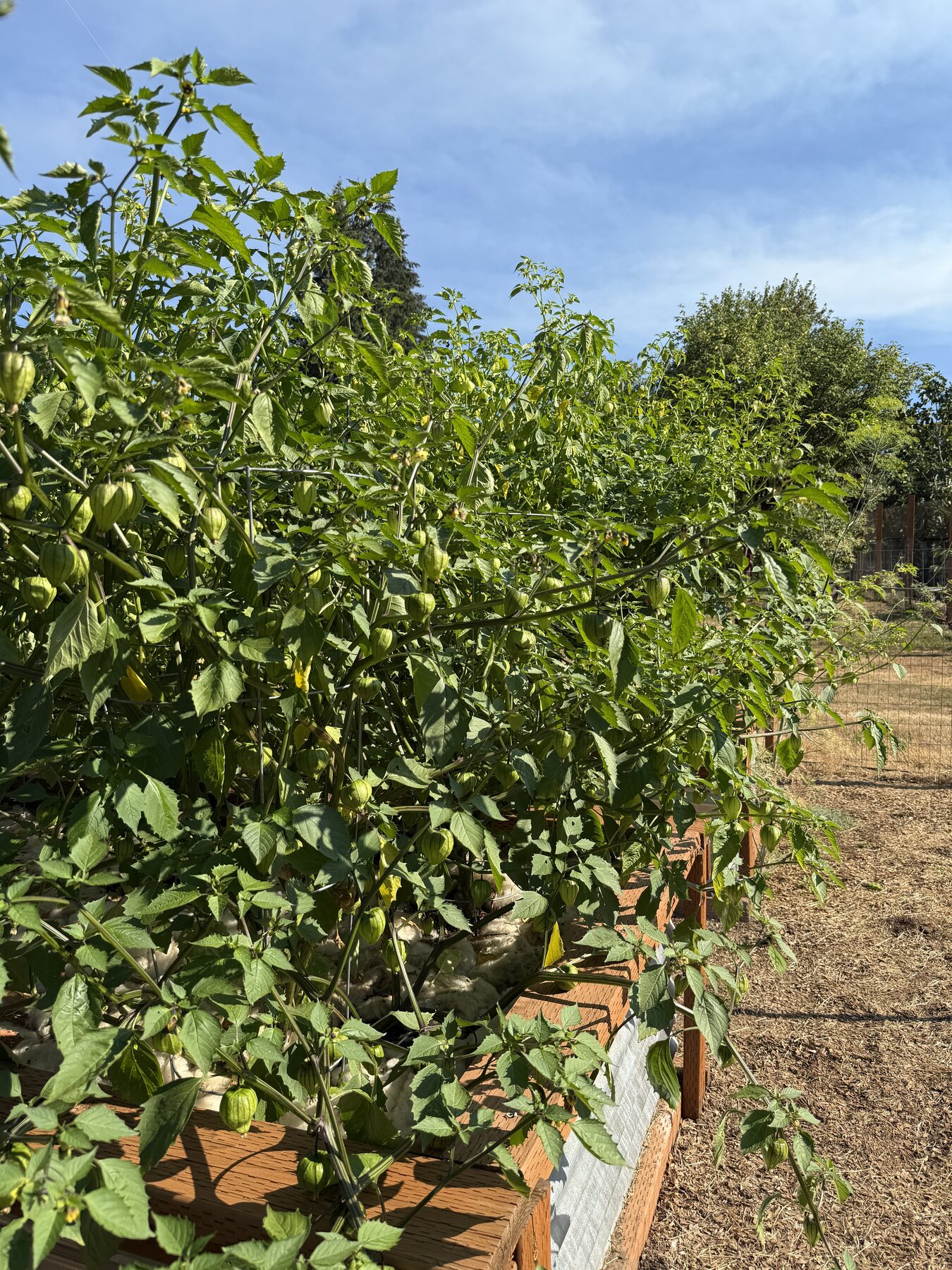
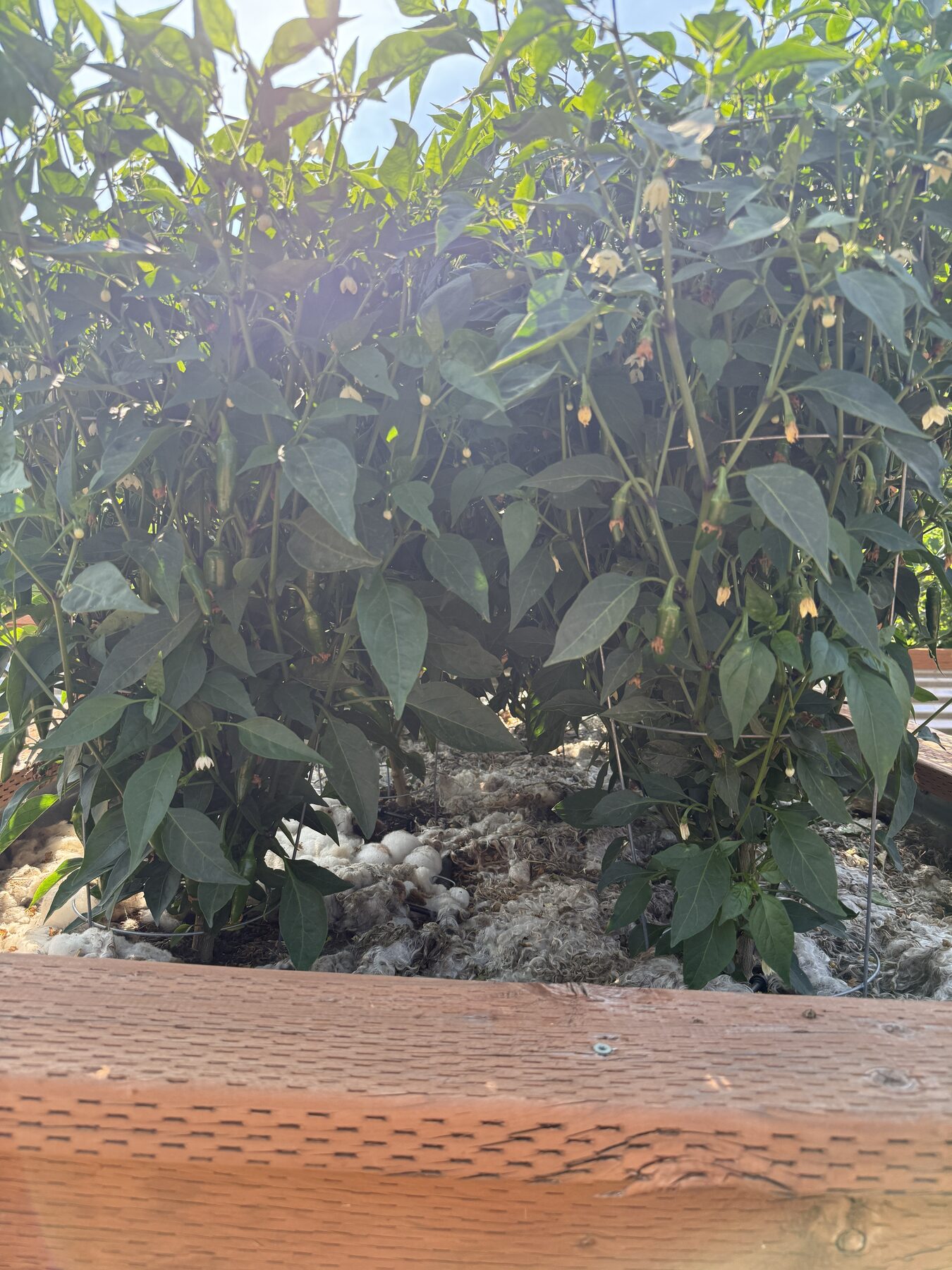

When you eat from a regenerative farm, you're getting food grown in living, nutrient-rich soil, free of synthetic pesticides and herbicides — food that's as clean as it is fresh. But you're also part of something bigger: supporting a way of farming that heals the land instead of harming it, and that leaves healthier soil, water, and wildlife for the generations who come after us. That's food you can feel good about, right down to the roots.
If you'd like to understand the practices that inspired us, these are some of the voices that started us on our own journey. We'll keep this list growing as we find more resources we love.
Joel Salatin — a look at regenerative practices at work on his farm.
An interview with Joel Salatin on what regenerative farming really means.
Jason of Sow The Land shares what he's learned after a decade on the land.
Pete Larson of Just a Few Acres on working with the land and animals to grow and maintain healthy pasture.